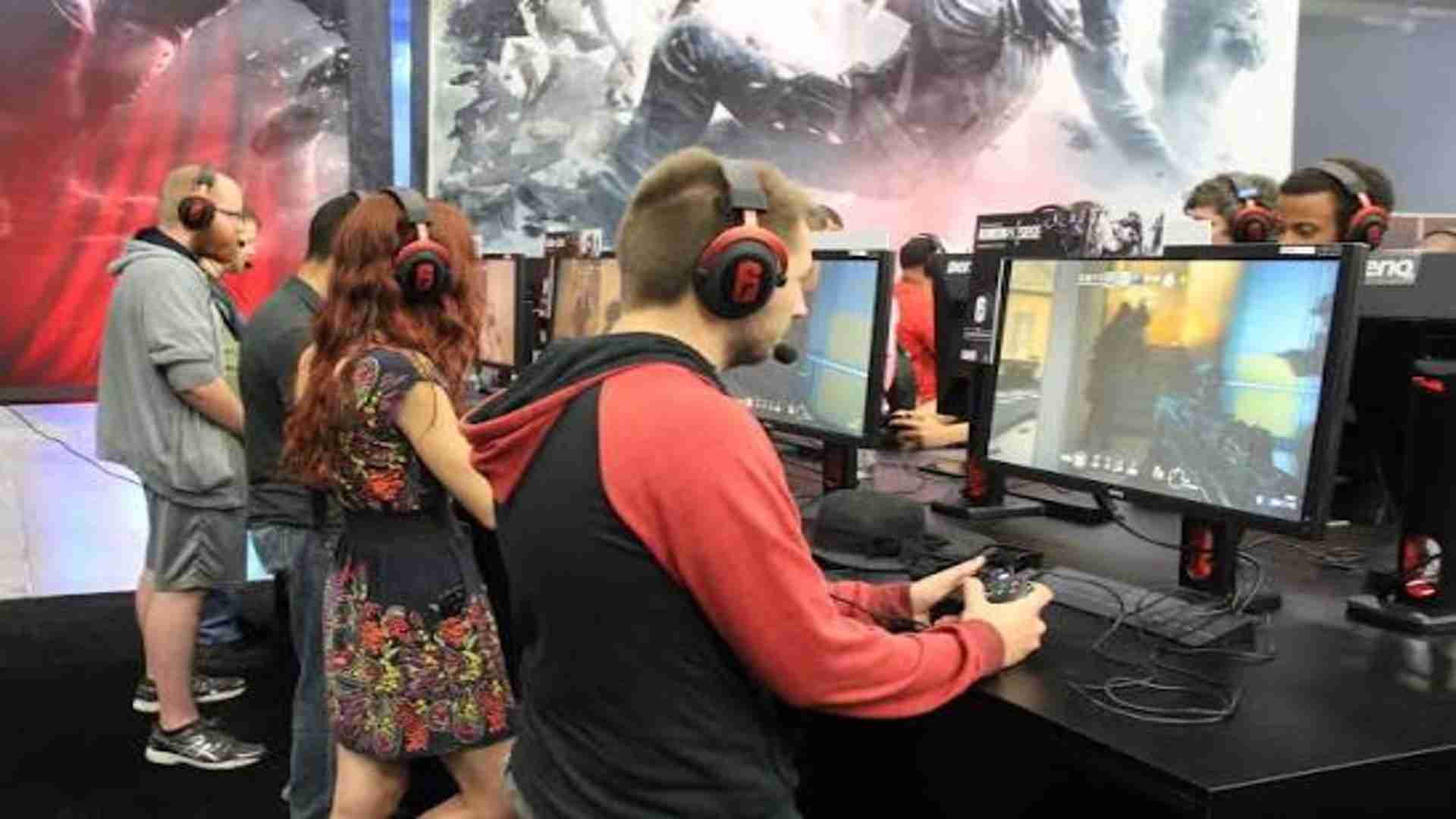
The pursuit of excellence in arcade gaming has evolved from simple high-score chasing into a sophisticated journey of self-improvement and technical mastery. Modern digital environments now provide a diverse array of tests that push the limits of human reaction time and cognitive processing.
Precision and Reflexive Training
Success in high-intensity arcade titles often depends on the player's ability to execute precise movements under extreme time constraints. These games function as a rigorous training ground for fine motor skills and hand-eye coordination.
Consistent practice in these environments allows enthusiasts to develop a heightened state of situational awareness that translates to better split-second decision-making. By refining these reflexes, players can achieve a level of fluid performance that feels almost intuitive.
Many competitive gaming enthusiasts find that tracking their progress through digital leaderboards provides the necessary motivation to refine their techniques. Those looking for high-quality platforms to test their competitive edge often visit M88 sports to find engaging challenges.
Cognitive Agility and Pattern Recognition
Beyond physical speed, the most rewarding arcade challenges demand significant mental flexibility and the ability to identify complex patterns instantly. Players must quickly decode visual information to anticipate upcoming obstacles before they fully manifest on the screen.
This type of mental engagement fosters a unique form of problem-solving that requires both logic and instinct to work in perfect harmony. Research suggests that regularly engaging with such dynamic tasks can actually help sharpen general mental acuity and memory retention.
As the difficulty scales, the game forces the player to adapt their strategy on the fly, preventing cognitive stagnation. This continuous cycle of observation and adaptation is what truly brings out a player's peak mental performance.
Building Mental Resilience and Focus
One of the most profound benefits of facing difficult arcade levels is the development of psychological endurance and a calm mindset under pressure. Maintaining a high level of concentration during a long session requires significant self-discipline and emotional control.
Players learn to view failure not as a setback, but as a critical piece of data used to improve their next attempt. This resilient approach helps build a growth mindset that is valuable in both gaming and real-world professional environments.
The intense focus required to navigate complex arcade scenarios often leads to a state of flow, where distractions disappear and performance reaches its maximum potential. Mastering this level of concentration is a skill that continues to reward players throughout their gaming journey.
The Evolution of Dynamic Difficulty
Modern arcade developers are increasingly utilizing sophisticated algorithms to ensure that the level of challenge perfectly matches the player's current skill level. This prevents the experience from becoming either too frustrating for novices or too predictable for seasoned veterans.
By providing a balanced environment, these systems ensure that players are always operating at the edge of their capabilities, which is the ideal zone for rapid skill acquisition. This personalized approach makes every breakthrough feel earned and highly satisfying.
The future of the genre lies in these adaptive mechanics that cater to individual strengths while identifying and testing specific areas for improvement. This ensures that the arcade remain a premier destination for those seeking to push the boundaries of their personal best.