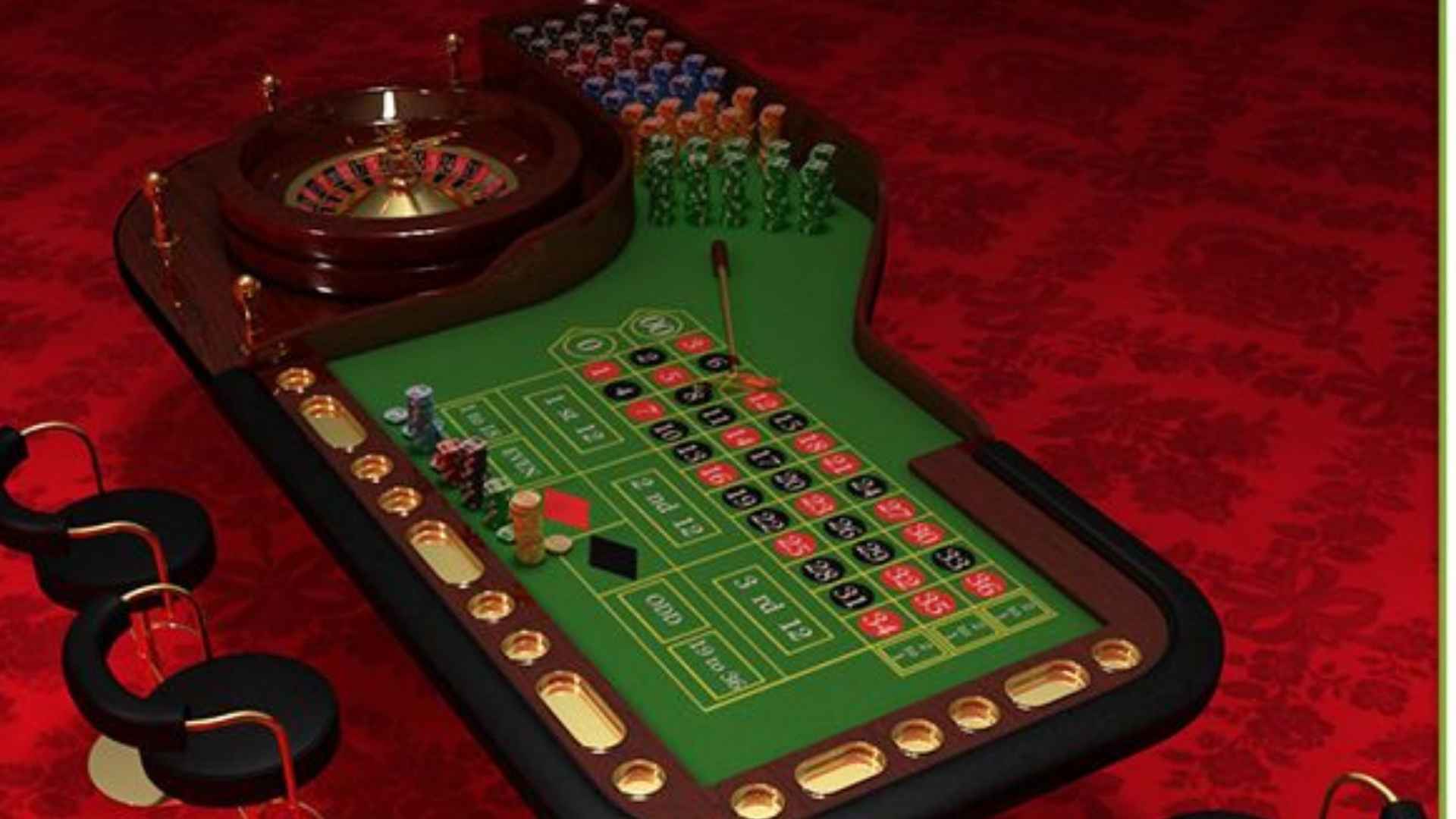
In multiplayer games and group events, keeping every participant focused on the same event can be a design challenge. A spinning wheel serves as a unifying element that directs all eyes toward a single point of action. As the pointer glides across colored segments, individual strategies fall away, replacing isolated decision-making with a shared emotional experience.
The Power of Synchronized Anticipation
When a spinner begins to slow down, it naturally synchronizes the attention of every player in the room. Unlike card draws or simultaneous button presses, the continuous visual decay of momentum provides a clear timeline for the upcoming result. Everyone present tracks the exact same motion, building collective tension as the target area approaches.
This shared focus converts passive observers into active participants who feel the weight of the same second. The visual clarity of a wheel ensures that no one misses the pivotal shift from movement to stillness. As a result, the eventual outcome lands with far greater dramatic impact across the whole group.
Eliminating Fractured Focus in Group Mechanics
Many traditional games split player attention across multiple hands, boards, or individual digital screens. A centralized wheel mechanic brings everyone back to a single shared focal point, creating a communal arena for dramatic shifts. This communal waiting period builds a sense of unity, where players react together to every near-miss and sudden stop.
Interactive entertainment platforms often use these shared moments to enhance audience engagement and maintain group momentum. For instance, gaming communities in regions like m88 malaysia frequently appreciate how transparent probability visualizers bring players together during live-streamed draws. When everyone witnesses the same movement in real time, trust and excitement increase simultaneously.
Creating Memorable Social Reactions
The final few revolutions of a wheel generate a unique atmosphere where gasps, cheers, and quiet suspense happen at the exact same moment. Because the motion deceleration is gradual, players can process how close the outcome is to their desired outcome before it stops. This shared realization creates explosive social reactions that make group gaming sessions truly memorable.
Designing games around these synchronized delays turns routine chance into a compelling spectator sport. Whether in casual board games or modern digital environments, the simple physics of a spinning wheel ensures that the central climax belongs to everyone at once.