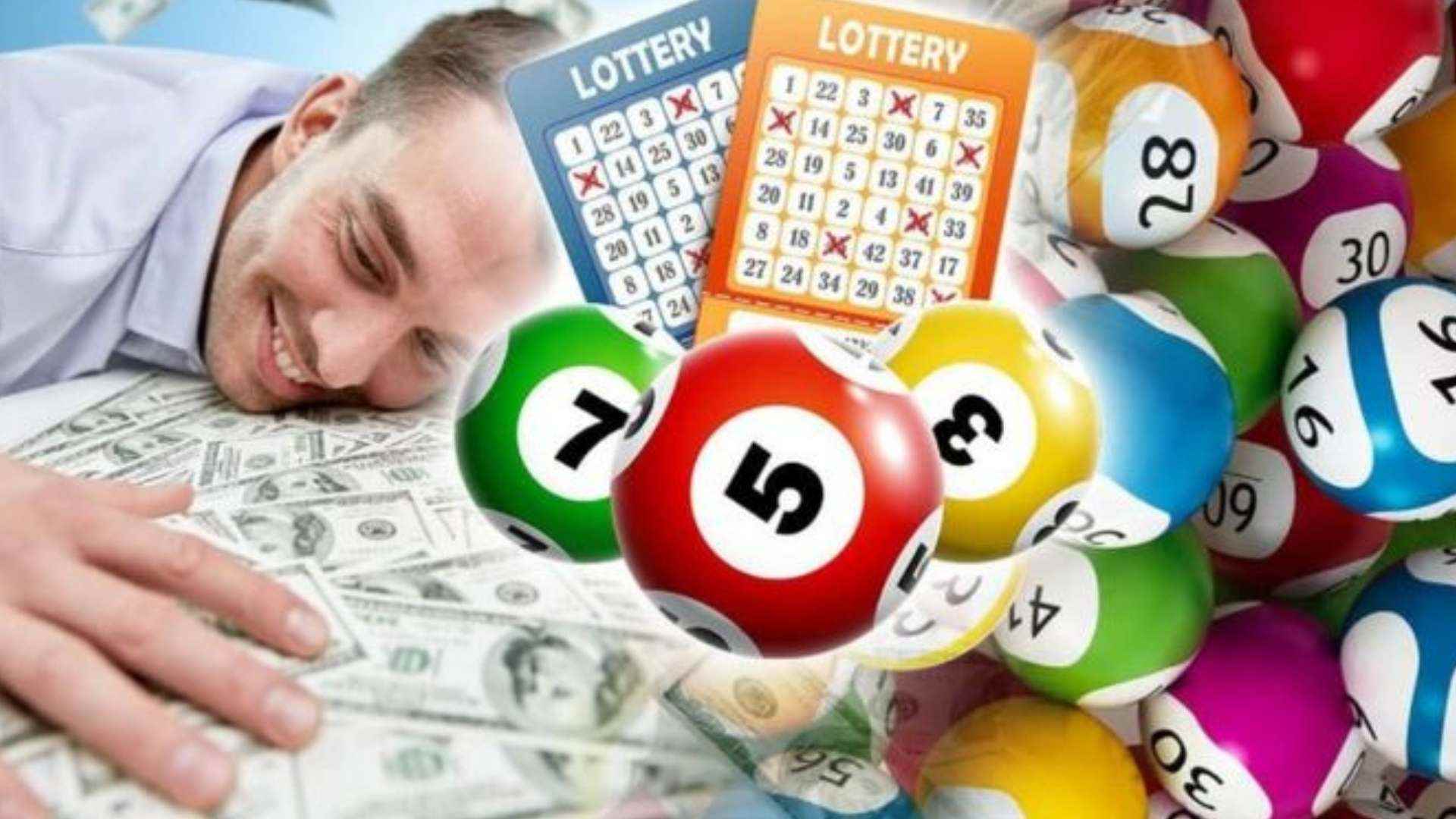
Winning a major lottery jackpot is a life-changing event that comes with immediate financial choices. When a winner claims a grand prize, lottery organizations present two primary options for receiving the windfall: a single lump sum or a structured annuity. Understanding how these payment mechanisms operate helps players navigate the long-term financial consequences of their prize.
The Single Lump Sum Cash Option
Choosing a lump sum payment allows a winner to receive their entire cash prize at once. However, the advertised jackpot total is drastically reduced when taking cash upfront because it reflects the actual prize pool collected rather than future calculated interest. This immediate payment offers complete control over the funds right away.
With a lump sum, the entire prize amount becomes taxable in the single tax year it is received. While this triggers substantial immediate tax obligations, many winners prefer the flexibility of investing their net funds early. For those exploring broader gaming and financial topics, resources like m88 login terbaru offer valuable insights into modern gaming ecosystems.
How Annuity Payout Structures Function
An annuity payout distributes the total advertised jackpot across a series of annual payments over several decades. Typically spanning 30 installments over 29 years, this method utilizes government bonds to fund future checks. Each annual disbursement usually increases by a fixed percentage to help offset long-term inflation effects.
The primary advantage of selecting an annuity is the financial discipline it naturally enforces. Because the full balance is not accessible simultaneously, winners are far less likely to exhaust their sudden wealth. Furthermore, taxes are spread across each annual payment rather than assessed all at once.
Tax Obligations and Financial Considerations
Regardless of the payout structure chosen, federal and state taxes automatically reduce the gross payout amount. The lottery administrator automatically withholds federal taxes prior to distribution, though the winner may owe additional tax upon filing. State taxes vary significantly depending on where the winning ticket was originally purchased.
Deciding between a cash lump sum and an annuity depends heavily on personal financial goals and individual risk tolerance. Consulting with certified financial planners and legal experts remains an essential step for any major jackpot winner. Proper planning ensures that the prize continues to deliver long-term security and stability.