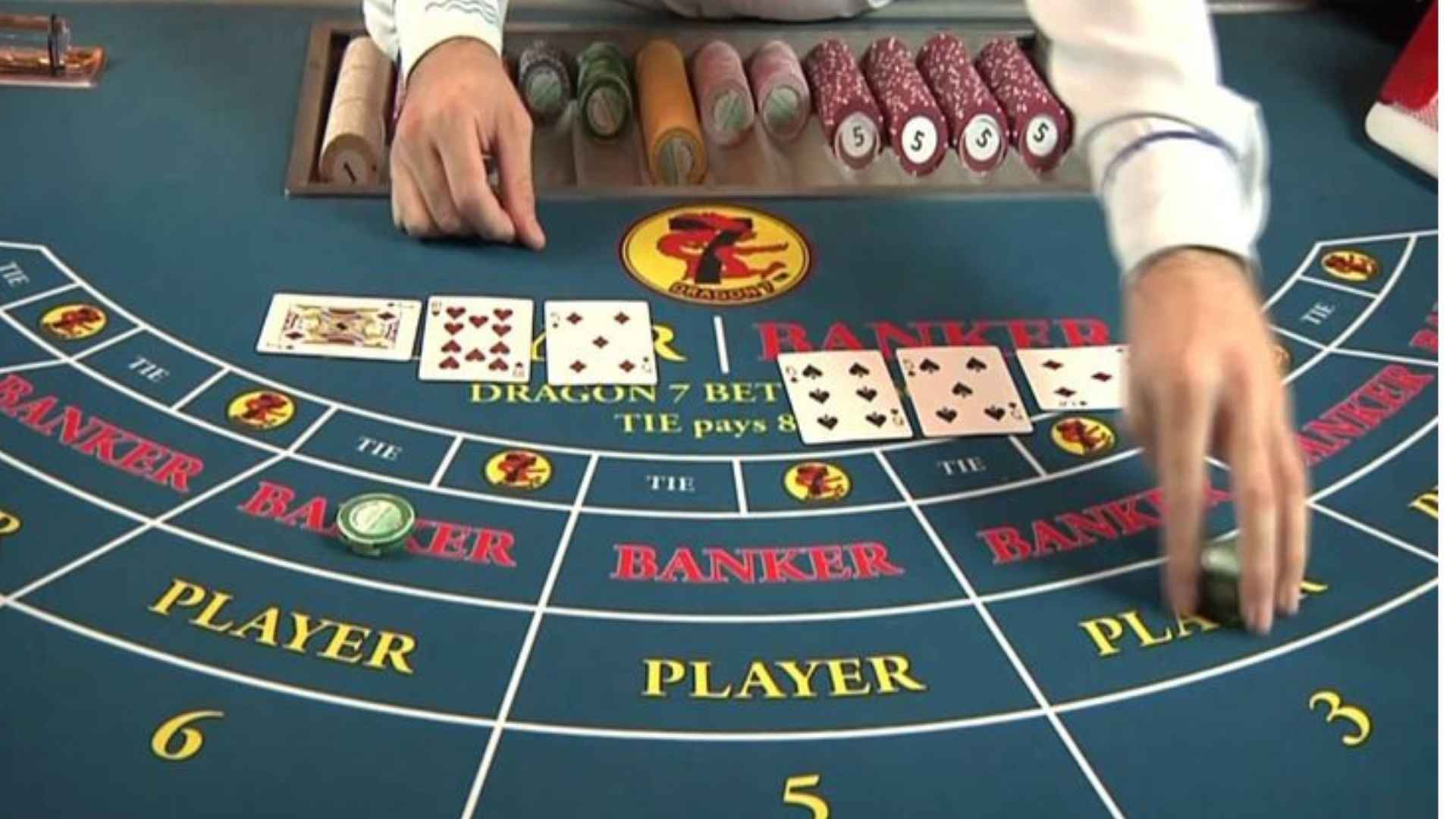
Casino poker games come in many distinct forms, catering to traditionalists and modern players alike. While traditional variants focus on competition against other players, house-style poker games pit individuals directly against the dealer. Understanding these differences is essential for choosing a game that matches your preferred pace and strategic depth.
Community Card Games versus Stud Variants
Texas Hold'em and Omaha represent the most popular community card games in modern venues. Players share central cards on the table to construct their best five-card hand through calculated rounds of betting. These formats place a heavy emphasis on positioning, psychological reading, and long-term tactical planning.
Stud games, such as Seven-Card Stud, take a different approach by dispensing with shared cards entirely. Each player receives a private mix of face-up and face-down cards dealed across individual rounds. Success in stud poker relies heavily on memory and tracking open cards around the table.
House-Banked Casino Table Poker
House-banked poker variants pit participants against the dealer rather than competing against fellow players. Popular options like Ultimate Texas Hold'em and Three Card Poker feature fixed paytables and simplified decision-making processes. Players evaluating digital platforms like M88 Esports often discover a wide selection of these fast-paced table games available online.
Because the house acts as the opponent, bluffing plays virtually no role in these structured variants. Victory depends on hitting specific mathematical hand thresholds or outranking the dealer's qualifying hand. This structure makes house-banked poker particularly approachable for newcomers seeking straightforward gameplay.
Evaluating Hand Structures and Paytables
The number of cards dealt directly alters the strategy and probability models of each poker type. Three Card Poker emphasizes quick hands and high-pair requirements, whereas Pai Gow Poker utilizes seven cards to form two separate hands. This variance in deal size significantly shifts the volatility and statistical edge across different tables.
Paytables also govern payout multipliers for rare combinations like straight flushes or full houses. Understanding these mathematical payouts helps players manage their bankroll expectations effectively. Comparing rules before sitting down ensures you select a table aligned with your gaming style.
Choosing the Right Variant for Your Play Style
Selecting the ideal poker game depends on whether you prefer competitive mind games or relaxed solitary play. Peer-to-peer card rooms reward deep strategic study and adaptability against changing opponents. Conversely, casino-style table poker offers steady pacing and fixed odds without interpersonal pressure.
Exploring both categories allows players to appreciate the full spectrum of modern poker entertainment. Whether testing your skill in stud games or enjoying quick house-banked hands, each format delivers a unique gaming dynamic.