Many players enter the world of tabletop gaming relying purely on luck, but true success comes from a structured approach. Transitioning from mindless betting to analytical decision-making can significantly change your outcomes and overall enjoyment. By mastering basic mechanics and game-specific math, you can systematically improve your odds at any table.
The Value of Analytical Thinking
Every decision-making game features a set of rules that rewards patient observation and strategic planning. Instead of chasing losses, experienced players analyze current patterns and calculate logical probabilities before acting. This methodical approach minimizes avoidable errors and helps you maintain control over your bankroll during long sessions.
Furthermore, understanding player psychology can give you an additional advantage in multiplayer formats. Recognizing when opponents are playing impulsively allows you to capitalize on their mistakes while keeping your own strategy steady. Developing this mental discipline is the foundation of playing smarter and winning more consistently.
Understanding the Mathematics of the House Edge
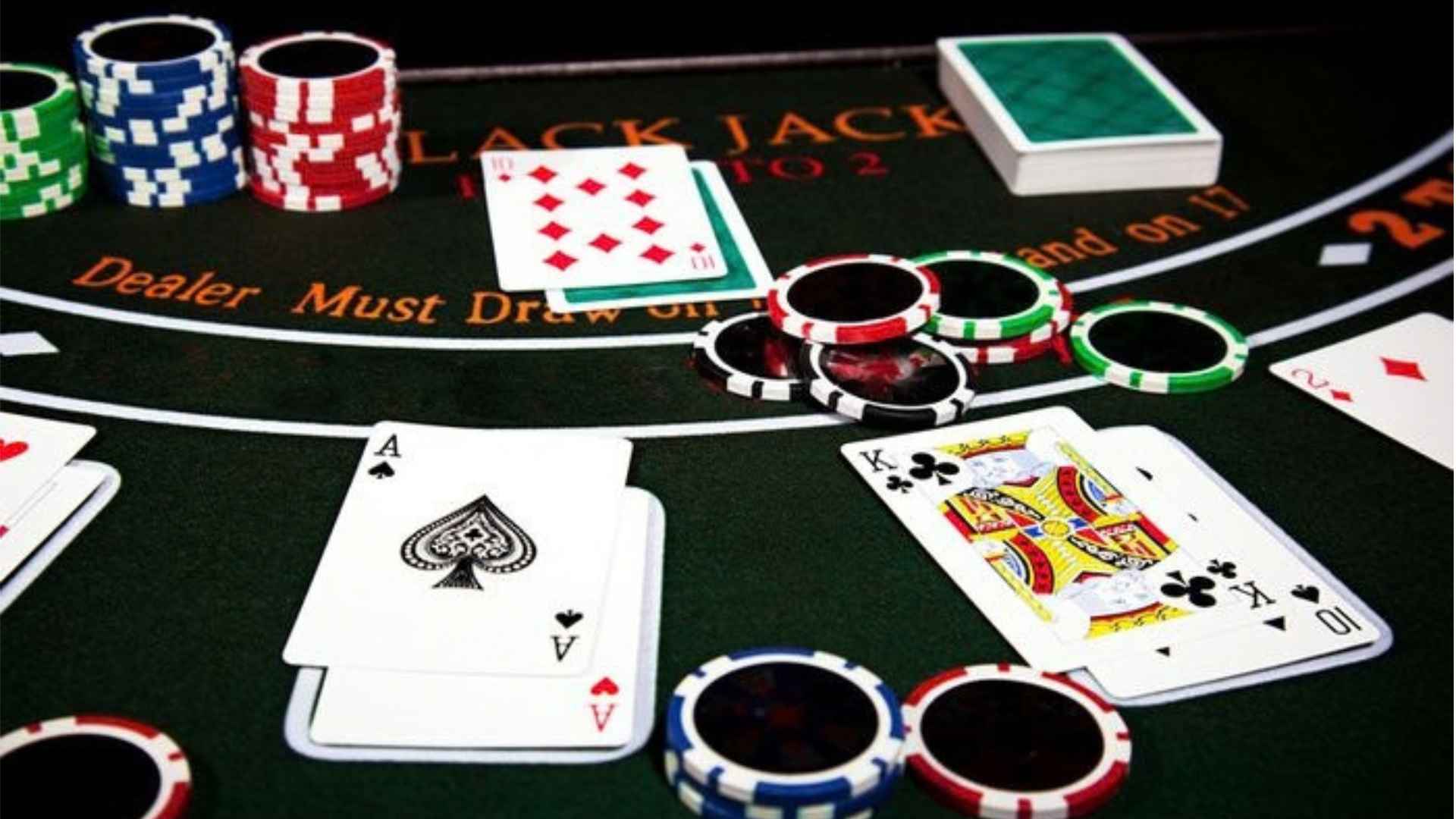
Every classic table game has a built-in house advantage that represents the statistical cost of playing over time. However, players can dramatically reduce this edge by executing mathematically optimal strategies. For instance, games like blackjack and certain craps bets offer some of the lowest margins when played correctly.
By choosing games that favor skillful play over pure chance, you put yourself in a much stronger position. Practicing these tactical decisions on reliable digital platforms is an excellent way to prepare for real-world situations. To test your strategies in a secure environment, you can check out M88 asia to find interactive tabletop options suited for your current skill level.
Managing Your Bankroll with Discipline
Even the most advanced strategies will fail without a highly structured bankroll management plan. Smart players establish strict limits on how much they are willing to spend before they ever sit down. This simple boundary prevents emotional decisions and ensures that gaming remains an enjoyable form of entertainment.
A common method is dividing your total budget into smaller, manageable units for individual sessions. This prevents you from depleting your funds too quickly during a temporary run of bad luck. Sticking to your limits allows you to stay in the game longer and wait for favorable situations to arise naturally.
Observing and Adapting to Table Dynamics
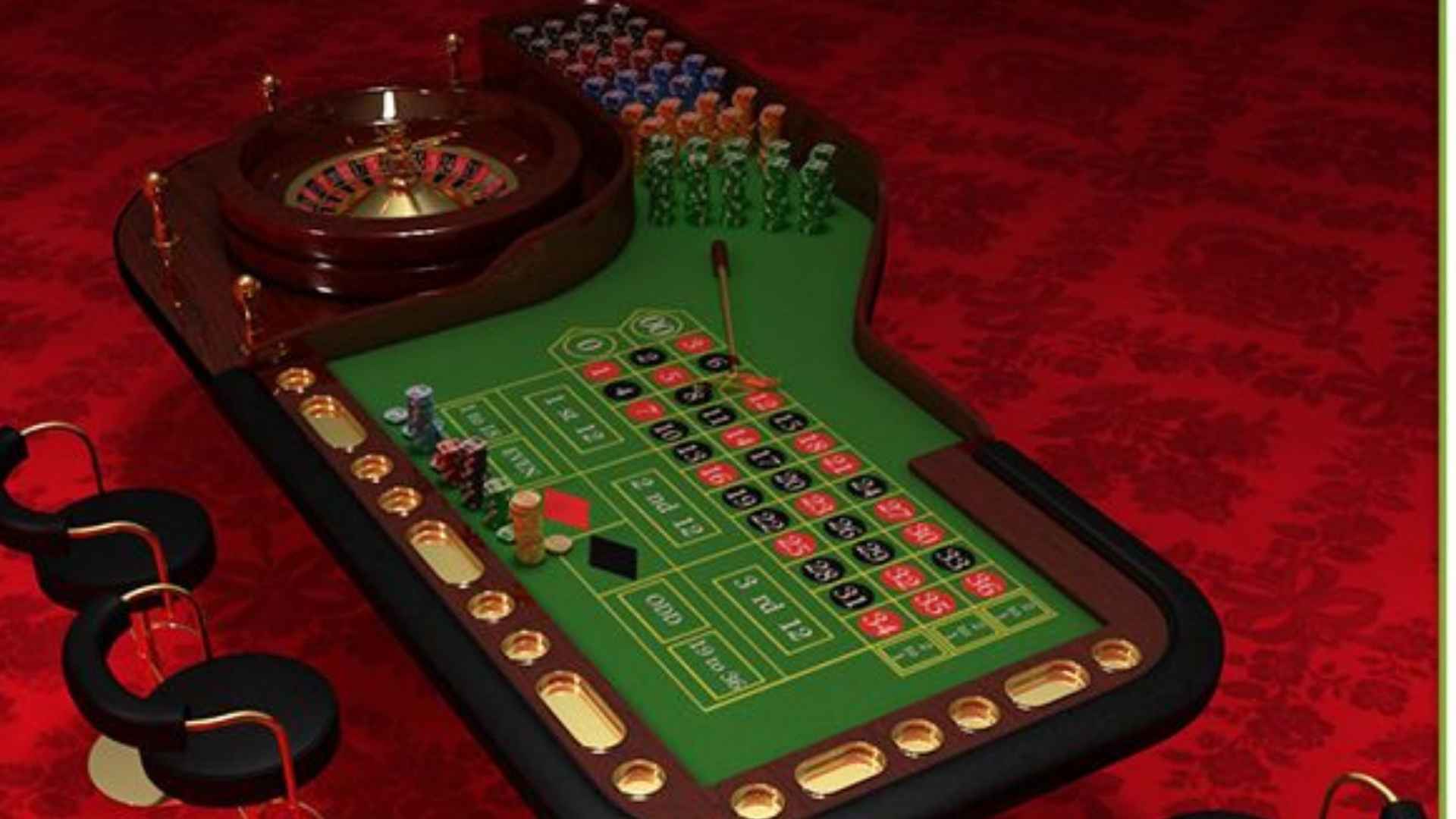
Before placing your first bet, spending a few moments observing the active table can yield highly valuable insights. Paying attention to the dealer's pace, other players' habits, and the overall speed of the game helps you adjust your expectations. This quick preparation reduces performance anxiety and ensures a smoother integration into the active session.
As you gain experience, learning when to walk away becomes just as crucial as knowing how to play. Recognizing when your focus is slipping or when you have met your personal targets is the ultimate sign of a disciplined player. Mastering these subtle habits elevates your gaming experience from simple guesswork to a sustainable, strategic hobby.